
Vermicompost
Vermicompost is a nutrient-rich organic fertilizer produced by earthworms during their digestion of organic waste. It contains water-soluble nutrients, making it an excellent soil conditioner and fertilizer for gardening and sustainable farming. Vermicompost has reduced levels of contaminants and increased nutrient saturation compared to the original organic matter. Additionally, it contains beneficial microorganisms and humic acids, which promote plant growth and enhance soil fertility. It is also used in lawn care and houseplants, and is a popular choice for indoor gardening and small-scale urban agriculture. Vermicomposting is a sustainable and eco-friendly method of waste management, reducing the need for synthetic fertilizers and promoting soil health. By using vermicompost, gardeners and farmers can improve crop yields, enhance soil structure, and support a healthy and diverse ecosystem.
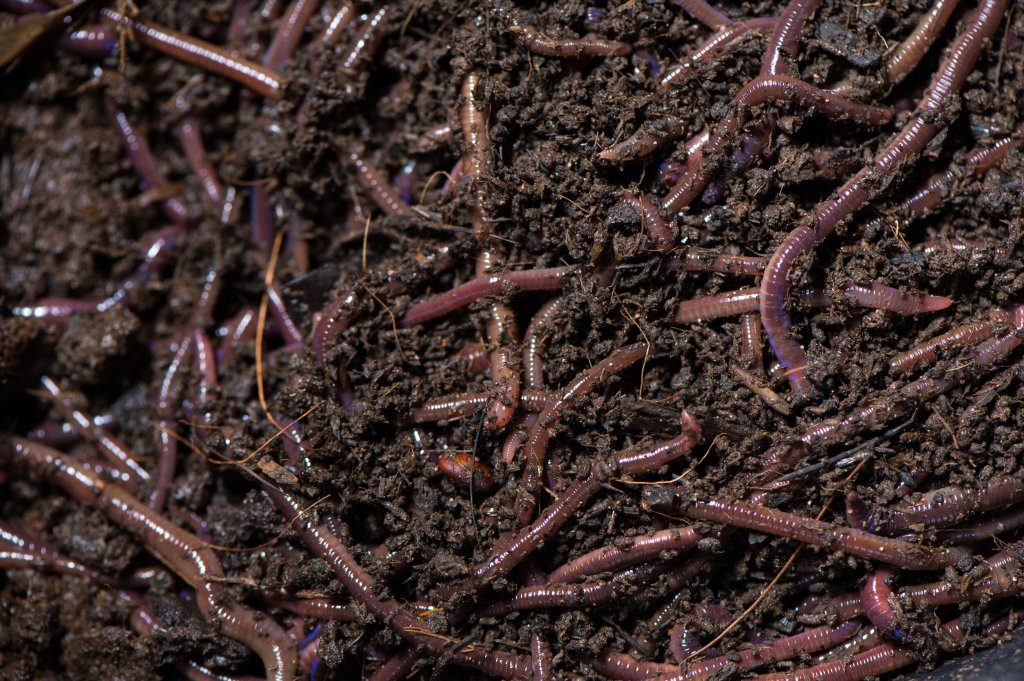
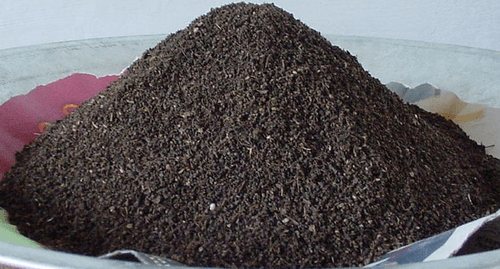
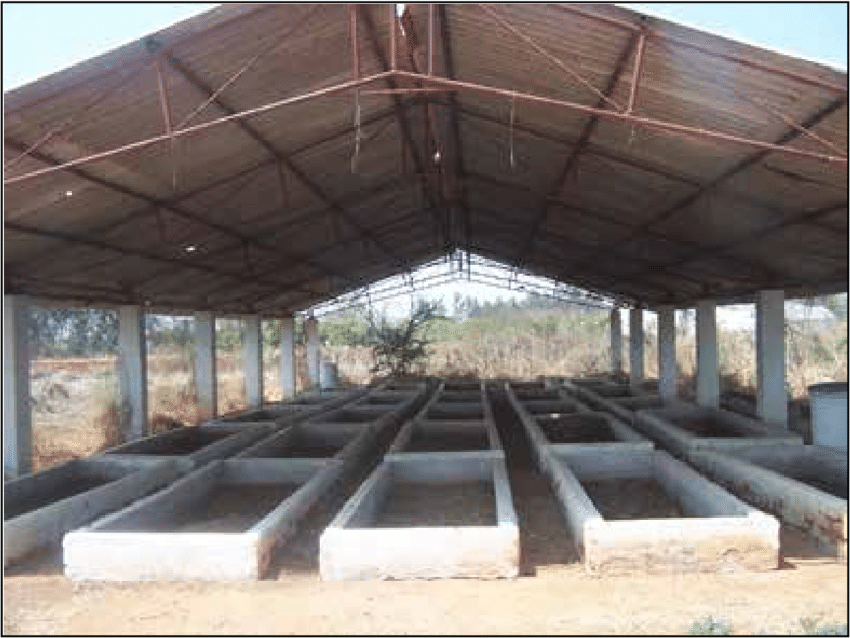
The production of vermicompost involves a step-by-step process starting with the collection of organic waste such as food scraps, leaves, and grass clippings from various sources. The waste is then processed by shredding, mixing with cow dung, and feeding it to African Earthworms. During vermicomposting, the earthworms digest the organic waste, breaking it down into a nutrient-rich fertilizer. Next, the vermicompost is harvested and screened to remove the earthworms and undigested impurities. Finally, the vermicompost is packaged and distributed to customers, providing a natural and sustainable fertilizer for agriculture, horticulture, and urban gardening.
Applications:
Vermicompost has a wide range of applications across various fields, including agriculture, horticulture, landscaping, ecological restoration, organic farming, urban agriculture, waste management, education, research, and even as a component in compost tea. As a natural fertilizer and soil amendment, vermicompost improves soil fertility, structure, and water retention, leading to increased crop yields, healthier plants, and restored ecosystems. Its use reduces the need for synthetic fertilizers, supports sustainable waste management practices, and promotes ecological principles. Whether in small-scale indoor gardening or large-scale commercial farming, vermicompost is a valuable resource for fostering soil health and sustainability..
 Vein Organics